
As of April 2026, the most widely cited estimate for King Charles III's net worth (the man most searches still call 'Prince Charles') sits in the range of £610 million to £1.8 billion, depending heavily on what the estimator decides to count. The most credible middle-ground figures come in around £640 million to £800 million. Celebrity Net Worth puts it at $800 million, the Sunday Times Rich List placed it at £640 million for 2025 (up from £610 million in 2024), and a Guardian investigation in 2023 argued the true private fortune could be closer to £1.8 billion when certain assets excluded from the Rich List methodology are added back in. None of these are wrong, exactly. They just use different rules, which is the central thing to understand before you trust any single headline number. Forbes-style coverage often focuses on headline net-worth figures, but the underlying methodology matters just as much as the number itself Forbes net worth. If you are comparing related options, charles prince napoléon net worth is another approach worth considering.
Net Worth of Prince Charles: Estimate, Sources, and What It Includes

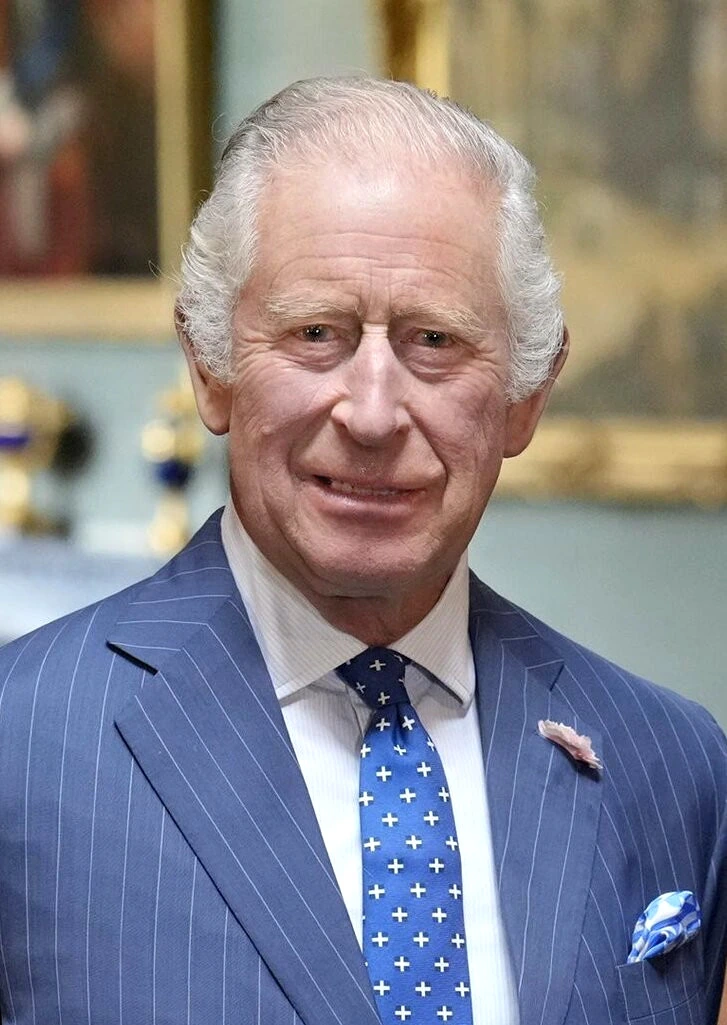
What 'Prince Charles net worth' actually means
Most net-worth calculations for celebrities work the same way: add up assets, subtract liabilities, and publish. Royal wealth doesn't work like that. Charles's finances sit inside a layered system where personal wealth, official funding, and duchy income all look similar on the surface but are legally and structurally very different. Conflating them is the most common mistake you'll see in net-worth articles, and it's why estimates vary by literally hundreds of millions of pounds.
Here's the core distinction. The Sovereign Grant is public money. It's funded through Crown Estate profits and paid to the monarch to cover official duties and the upkeep of royal residences. For 2024/25, the Sovereign Grant was £86.3 million. For 2025/26, it rose to £132.1 million (with a core allocation of £72.1 million). This is not personal wealth. It flows in, it covers institutional costs, and it flows out. Including it in a personal net-worth calculation would be like counting a company's operating budget as the CEO's personal fortune.
Then there are the private duchies. The Duchy of Cornwall is the landed estate that historically financed the Prince of Wales, and it is genuinely private income. When Charles held that title, the duchy's surplus went directly to him. Now that he is King, the Duchy of Cornwall passes to Prince William as the new Prince of Wales (with reported distributable income of around £23.6 million for the April 2023 to March 2024 fiscal year). As King, Charles instead receives the net revenue surplus from the Duchy of Lancaster, which reported a net revenue surplus of £24.4 million for 2024/25. This duchy income is private and does count toward personal wealth calculations.
Personal assets are a third category: privately owned properties like Balmoral and Sandringham (inherited from Queen Elizabeth II), personal investment holdings, art and jewelry collections, and cash or financial instruments held personally. These are distinct from both the Sovereign Grant and the monarchy's institutional property portfolio (the Crown Estate, which Charles doesn't personally own).
The best current estimate range, and what's driving it

The most defensible range for Charles's personal net worth in 2026 is approximately £640 million to £800 million, with a credible outlier case for something closer to £1.8 billion if you include valuations that mainstream lists typically exclude. The Sunday Times Rich List, which uses a fairly conservative personal-assets-only methodology, landed at £640 million in 2025. Celebrity Net Worth, which tends to use broader inclusion criteria, reports $800 million. The Guardian's 2023 investigation came in at £1.8 billion by capturing assets the Rich List had excluded.
Several specific things are driving the higher-end estimates right now. The inheritance from Queen Elizabeth II was transformative. Charles received Balmoral and Sandringham as personally owned estates, along with significant art, jewelry, and other private assets. These alone are worth hundreds of millions. The Duchy of Lancaster provides ongoing private income in the £24 million per year range. And Charles's own decades of accumulation during his time as Prince of Wales, funded by Duchy of Cornwall income that regularly exceeded £15 million to £17 million annually in the 2010s and climbed higher after that, gave him a long runway to build personal wealth through investment and savings.
Where the money actually comes from
Understanding the sources helps you evaluate any estimate you encounter. Here are the main wealth-building inputs that credible analysts use when calculating Charles's net worth.
- Duchy of Cornwall income (historical): For decades as Prince of Wales, Charles received the net distributable surplus from the Duchy of Cornwall, a portfolio of around 135,000 acres across England, plus urban property and commercial holdings. Reported annual income from this source rose from around £7 million in the early 2000s to £15.1 million and then £17.8 million (a near-4% rise reported in 2011 alone), with the trend continuing upward. This was private income he could save, invest, or spend.
- Duchy of Lancaster income (current, as King): Since becoming King in 2022, Charles receives the Duchy of Lancaster's net revenue surplus instead. The 2024/25 surplus was £24.4 million, making this his primary ongoing private income stream.
- Inherited personal assets from Queen Elizabeth II: Balmoral (privately owned, not a Crown Estate property) and Sandringham are now Charles's personal property. Forbes and other analysts have flagged these as major valuation components. The Guardian's £1.8 billion estimate leans heavily on valuations of these estates and associated holdings.
- Personal investment portfolio and savings: Accumulated over decades of duchy income, Charles is believed to hold personal financial assets including investments built up during his time as Prince of Wales.
- Art, jewelry, and collectibles: The Royal Collection is a separate public trust, but personal items inherited and accumulated over a lifetime represent meaningful wealth. The exact value is not publicly disclosed.
- Clarence House (use and value): While residency arrangements are tied to roles, the valuation of properties Charles has occupied and personally controlled has appeared in various net-worth calculations.
How credible net-worth figures are built, and why they disagree

When you see three different figures on three different websites, it's almost never because one site is lying. It's because net-worth estimation for royals involves genuine methodological choices, and different outlets make different calls. Here's how the major approaches break down.
| Source / Method | Estimate | Key Inclusion Criteria | Key Exclusions |
|---|---|---|---|
| Sunday Times Rich List (2025) | £640 million | Personal assets, privately owned property, duchy income capitalized | State-managed assets, Crown Estate, Sovereign Grant |
| Celebrity Net Worth (2026) | $800 million (~£640m+) | Broad personal wealth, property, holdings | Not fully disclosed; tends toward inclusive methodology |
| Guardian investigation (2023) | ~£1.8 billion | Estates including Balmoral/Sandringham at full valuation, art, jewelry, financial assets | Sovereign Grant, Crown Estate |
| Forbes approach (2023) | No single figure; components itemized | Duchy income, residence valuations, inherited assets discussed | Official/state funding excluded in analysis |
The biggest single driver of the gap between £640 million and £1.8 billion is how analysts value Balmoral and Sandringham. These are privately owned estates with no public market transaction to anchor the valuation. Depending on methodology, methodological assumptions about acreage value, agricultural income, and trophy-property premiums, valuations can swing by hundreds of millions. The Guardian's investigation used broader asset inclusion and higher property valuations. The Sunday Times methodology is historically more conservative and focuses on liquid or near-liquid wealth.
There's also a data transparency problem. The House of Commons Library explicitly notes that 'personal income' for the monarch is 'not fully reported.' The Evening Standard made the same point about Duchy accounts years ago: the official accounts show duchy business results but say nothing about how the income is actually used or reinvested. That gap between official reporting and personal balance sheet is exactly where estimators fill in with assumptions, and where estimates diverge.
Why the title change matters for the number
One subtlety worth flagging: most people still search for 'Prince Charles net worth,' but Charles became King Charles III in September 2022 following Queen Elizabeth II's death. That transition didn't just change his title. It changed his income structure (from Duchy of Cornwall to Duchy of Lancaster), transferred large inherited assets to him personally, and moved his institutional funding from whatever support the Prince of Wales received to the full Sovereign Grant structure. So net-worth estimates that predate September 2022 are calculating a structurally different financial picture than post-2022 estimates. Always check which era the estimate is trying to capture. If you want a similarly sourced approach to wealth figures, see our comparison on the <charles prince of wales net worth> topic Prince Charles net worth.
How to verify an estimate yourself

If you want to pressure-test any figure you find, the best approach is to cross-reference official sources against the celebrity-estimate sites rather than just comparing sites against each other. Here's a practical verification checklist.
- Start with the primary sources: The Duchy of Cornwall publishes an Integrated Annual Report each year (the 2024 report covers the year ended 31 March 2024). The Duchy of Lancaster also publishes annual accounts. These are publicly available and show the actual distributable surplus figures, not estimates.
- Check the Sovereign Grant Annual Report on Royal.uk: This shows exactly how much public funding the monarchy received and what it was spent on. If a net-worth article includes Sovereign Grant figures as personal wealth, that's a red flag.
- Use the House of Commons Library briefing on 'Finances of the Monarchy' as a methodology guide: It clearly separates Sovereign Grant, duchy income, and personal income. This helps you identify which bucket any claim belongs to.
- Look at the Institute for Government's royal finances explainer: It gives quantified duchy surplus figures from official sources, which you can compare against what a net-worth article claims.
- Cross-check property valuations: For Balmoral and Sandringham, there are no public sale prices. If a site claims a specific valuation, look for the methodology. Real estate valuations for these properties are estimates, and a transparent source will say so.
- Check publication date and title: A 'Prince Charles net worth' figure from before September 2022 reflects a different financial structure than a post-accession 'King Charles net worth' figure. Pre-2022 numbers won't include the inheritance from Queen Elizabeth II.
- Apply the Sunday Times Rich List as a conservative baseline: The Rich List uses a consistent, documented methodology and tends to understate rather than overstate. If a site's number is dramatically higher, look for what extra assets they're counting and whether the justification is credible.
Red flags to watch for
- Any article that includes the Sovereign Grant (£86.3m in 2024/25, £132.1m in 2025/26) as part of personal net worth is double-counting public funding as private wealth.
- Articles that conflate the Crown Estate (which Charles does not personally own) with his personal fortune are fundamentally wrong on the asset structure.
- Sites that use a round, suspiciously clean number with no methodology explanation are almost certainly aggregating from other sites rather than doing original analysis.
- Estimates that haven't been updated since before 2022 are missing the inheritance component and the income-structure change from Duchy of Cornwall to Duchy of Lancaster.
How his wealth compares to other royals and public figures

To put the range in context: a £640 million to £800 million personal fortune is genuinely significant but is not in the same category as the wealthiest business moguls. It places Charles comfortably within the Sunday Times Rich List's top tier of UK wealthy individuals, but it's personal old-money wealth built through inheritance, institutional income streams, and long-term accumulation rather than entrepreneurship or market-driven investment. Among royals with publicly tracked wealth, Charles sits at the top of the British royal family's personal-wealth hierarchy, well ahead of other royals whose private fortunes are smaller.
Sibling topics on this site cover other notable Charles figures with very different wealth profiles. Prince Charles-Henri de Lobkowicz, for example, represents European aristocratic wealth tied to historical restitution of estates rather than duchy income structures. Prince Charles-Henri de Lobkowicz’s wealth is calculated through a different set of aristocratic, estate, and restitution factors than Charles III’s duchy and royal income structure. Because Charles-Henri Lobkowicz is a different aristocratic figure with a separate background and finances, his net worth can’t be inferred from Prince Charles III’s duchy and royal income structure Prince Charles-Henri de Lobkowicz. The wealth-building logic is completely different even though the 'prince' label is similar. If you're interested in how aristocratic and royal net-worth calculations work across different national systems, those comparisons are worth exploring.
The bottom line for today's searcher
The most reliable answer to 'what is the net worth of Prince Charles' in 2026 is: between £640 million and £800 million in personal wealth, with a credible higher estimate near £1.8 billion if you include full estate valuations. The $800 million figure from Celebrity Net Worth and the £640 million from the Sunday Times Rich List are both defensible starting points. The lower figure is more conservative and better documented. The higher figures reflect more aggressive (but not baseless) property valuations and broader asset inclusion.
What it definitely does not include: the £132.1 million Sovereign Grant (public funding for official duties), the Crown Estate (publicly managed, not personally owned), or any monarchy-managed assets held in trust structures outside his personal estate. What drives the number upward is the Queen's inheritance, the cumulative savings from decades of private duchy income, and real estate valuations that are genuinely hard to pin down precisely. Use the primary sources, the official annual reports, and the House of Commons Library framework to verify any specific claim, and you'll be better equipped than most people researching this question.
FAQ
Does the net worth of Prince Charles include the Sovereign Grant (official funding)?
No. In most credible “net worth of Prince Charles” estimates, the Sovereign Grant is treated as public funding for official duties, so it is excluded from personal wealth. A figure that includes it is usually mixing institutional cash flow with personal balance-sheet assets.
Why do estimates of the net worth of Prince Charles vary so much, especially at the high end?
It should. Balmoral and Sandringham are privately held by Charles (personally, after his inheritance), and without observable market sales, analysts rely on valuation assumptions. That is the main reason published estimates can differ by hundreds of millions.
Should I compare only post-2022 figures when researching the net worth of Prince Charles?
Yes, the “era” matters. Before September 2022, Charles’s income structure and the way inherited assets were held could differ from his post-2022 position as King. When comparing two estimates, check whether both refer to his personal fortune in the same time window.
How can I tell whether a website is reporting personal net worth or broader royal wealth?
Use the label the site gives the number. If a source calls it “personal wealth” or “private fortune,” it should roughly align with the lower, more conservative ranges. If it uses broader “royal wealth” language or adds institutional items, it may reach much higher totals.
What should I look for to judge whether a net-worth estimate for Prince Charles is methodologically solid?
Look for disclosure about asset inclusion and valuation method, especially around real estate and art. If the article does not say what properties were valued and what assumptions were used, treat the number as a broad estimate rather than a tight calculation.
What’s the best way to cross-check the net worth of Prince Charles without relying on just other celebrity sites?
Not directly. Your best “verification” is to compare official reporting (annual reports, parliamentary library notes, duchy accounts) for the institutional streams, then match those streams to which ones the estimator counts as personal wealth. Two celebrity-estimate sites can still disagree even if both omit or include different components.
Why does the Sunday Times Rich List figure tend to be lower than some other estimates?
Usually yes. Many mainstream lists focus on liquid or near-liquid personal assets and conservative valuations, which tends to push results toward the middle range. Higher estimates often come from more aggressive property valuation scenarios or wider inclusion criteria.
Are there common mistakes that inflate the net worth of Prince Charles by counting the wrong categories?
Usually excluded in personal net worth figures. If you see a number that is close to a “total UK royal household funding” style figure, it is likely counting flows like operating budgets or estate administration that are not personal assets owned by him.
Why might the net worth of Prince Charles look different when converted between pounds and dollars?
If a site uses a currency conversion, it can shift the headline number even when the underlying pound-value estimate is similar. To compare fairly, confirm whether both figures are based on the same currency and the same valuation date.
How can I spot double counting or unclear asset overlap in a net worth calculation for Prince Charles?
Expect volatility from property valuation and inclusion choices, but also be alert for “double counting” risk. For example, if an estimator counts an asset once as part of a duchy-related component and again as a personally owned inheritance, the total can be overstated.
Charles Kuehmann Net Worth: How to Verify Estimates
Learn how to verify Charles Kuehmann net worth estimates by identifying the right person and checking source-based figur